- white cue
- contrato social
- imanente [adição_multiplicação_divisão_subtração_]
- corte e retenção
- incessante - incurável
- cosecha
- mdc [múltiplo denominador comum]
- no te olvides
- detetor de ausências
- calçada
- básculas
- vazadores
- ação comum
- tudo entre nós
- visible
- visor
- casa verde
- bueiro (da série <i>huecos</i>)
- let's play
- contemplação suspensa
- las cosas son como son
- futuro do pretérito
Skip to content
![]()

installation
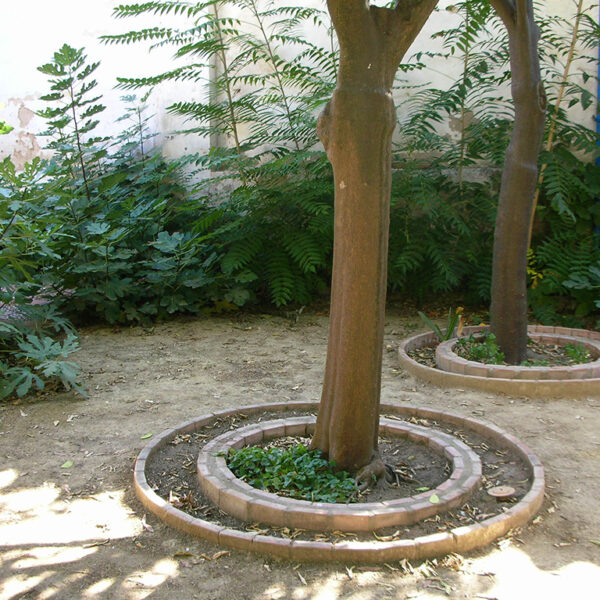
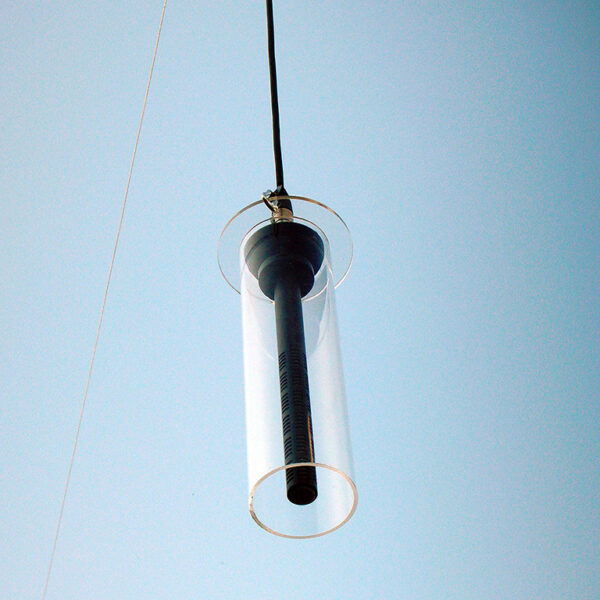
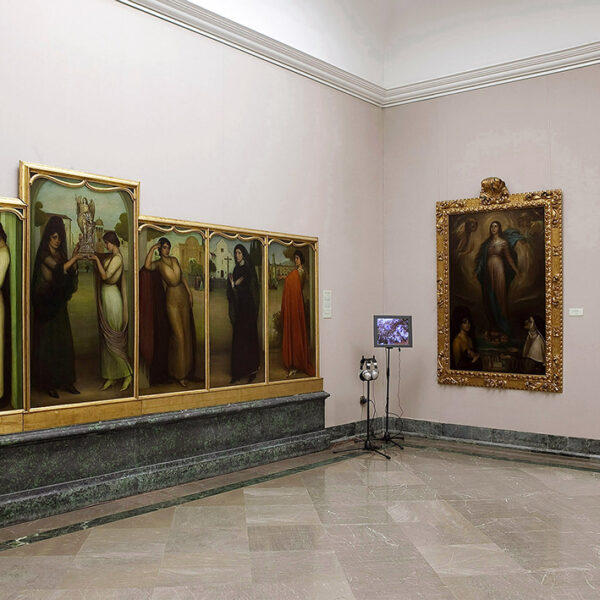
convergence field, symmetrical structuration, geometric pruning, fountain, metallic sound, earphones, sphere of control, triggering agent, abandoned courtyard, negotiation space, museum director, steel cable, acrylic tube, unidirectional microphone, metal ring, water, transmission, painter’s legacy, tripod, photograph, modern art, sculpture, flat screen monitor, popular expression, equivalences
Museu de Belas Artes/ Museu Julio Romero de Torres/ Córdoba/ Spain

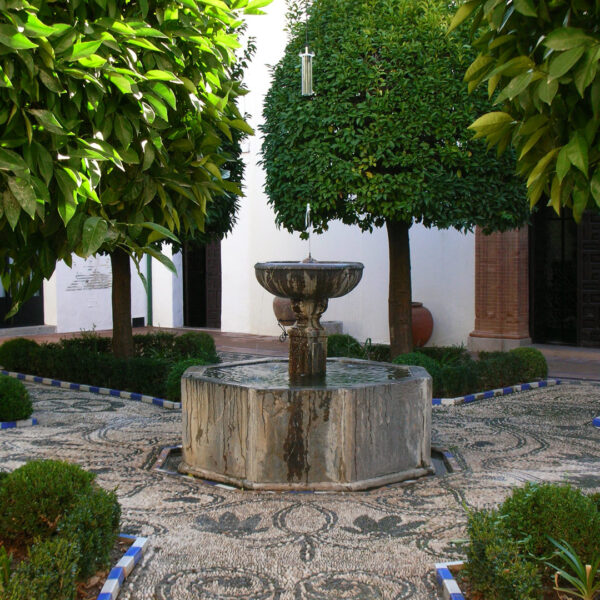
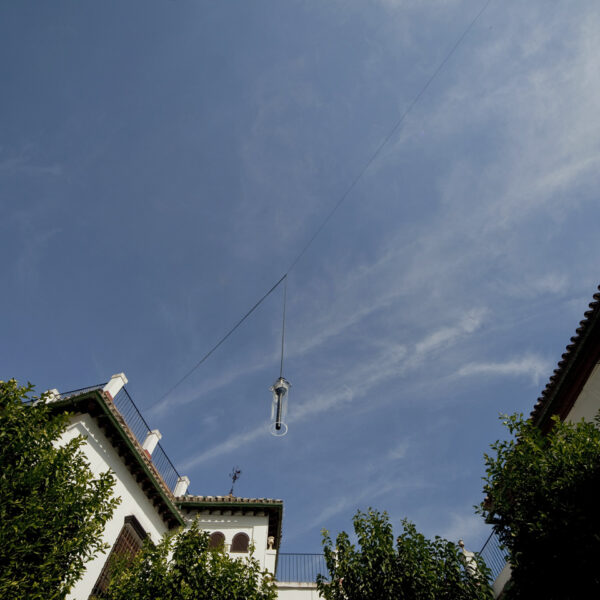
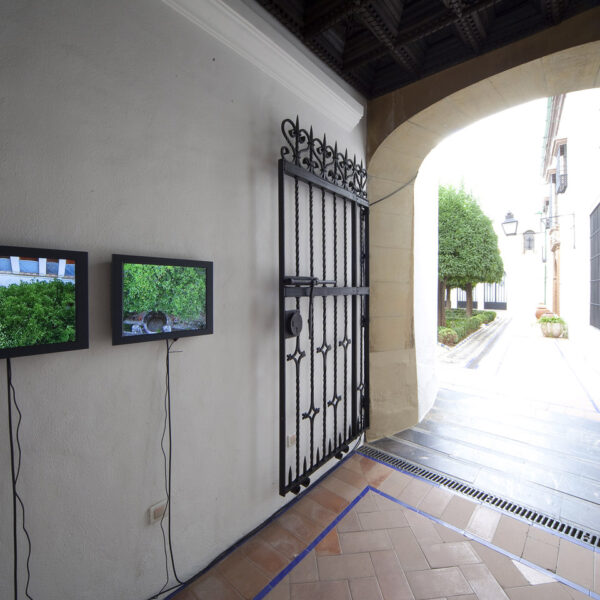
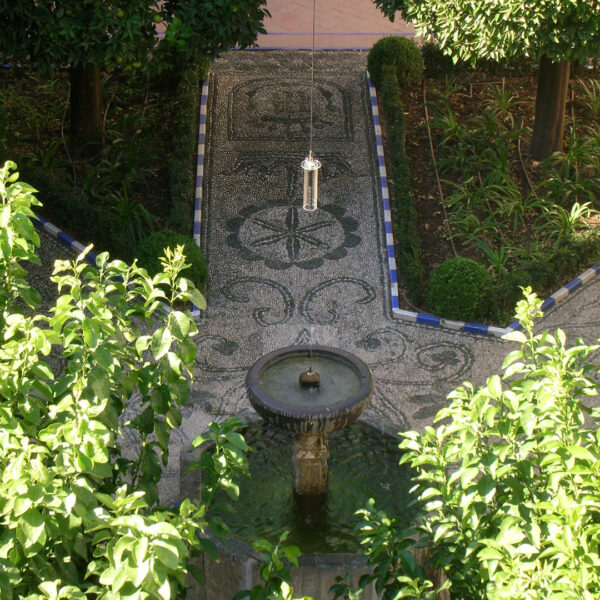
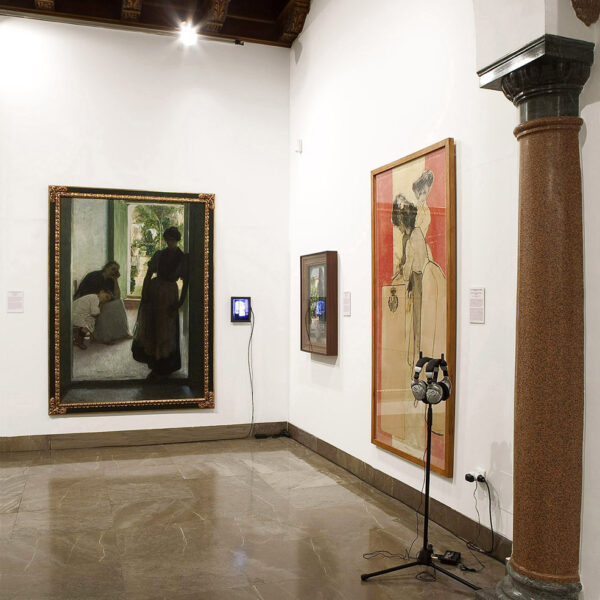
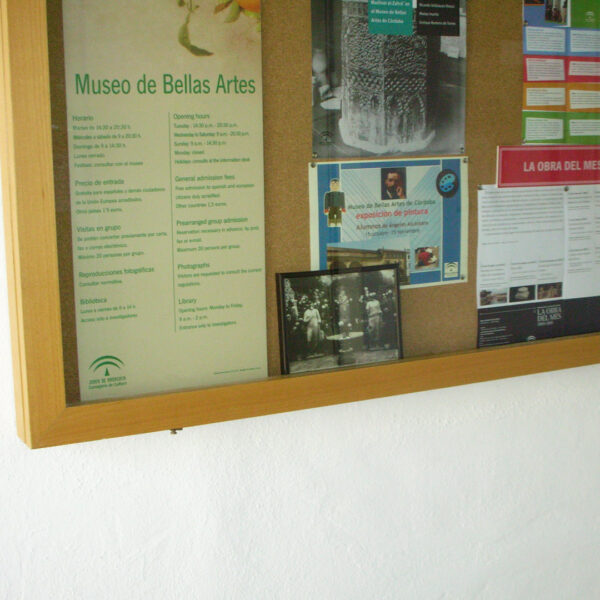
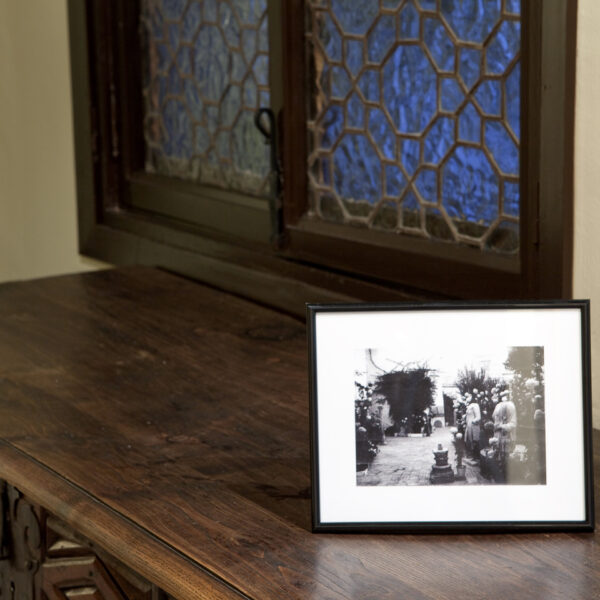
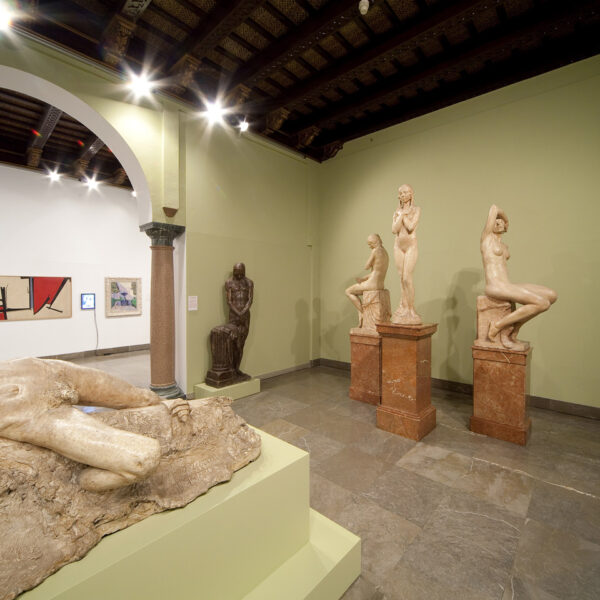
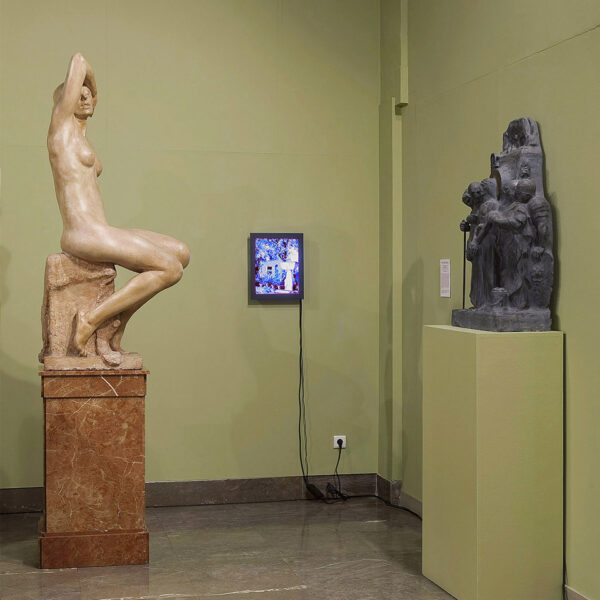
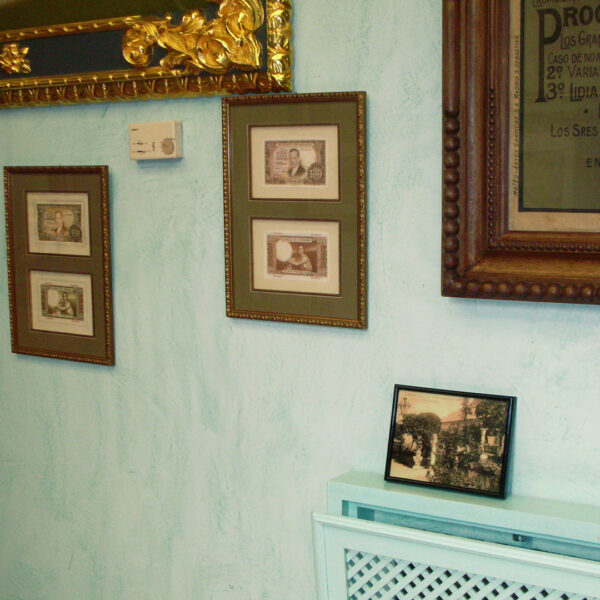
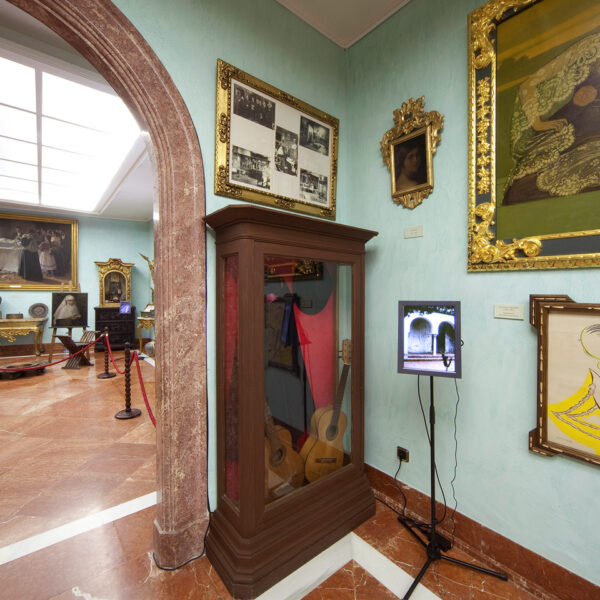
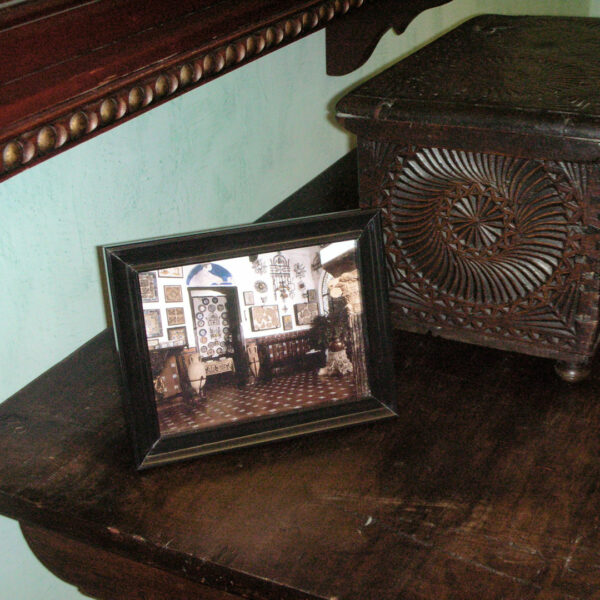
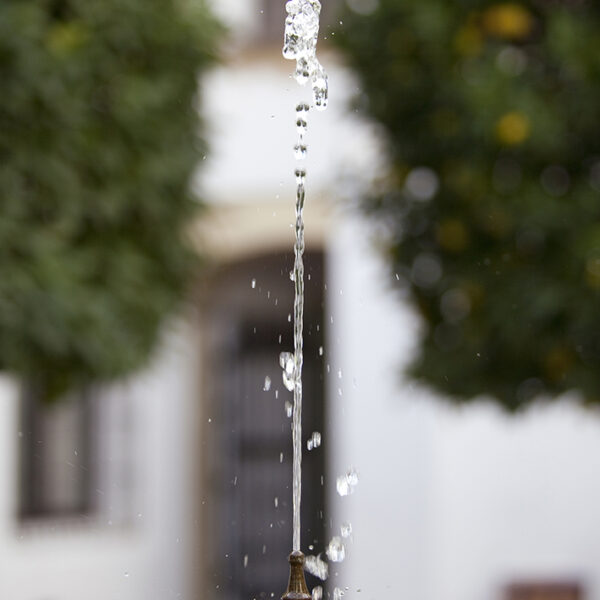
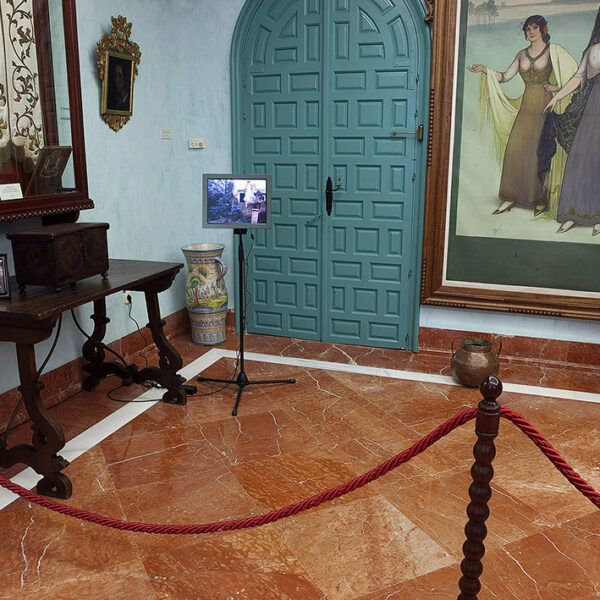
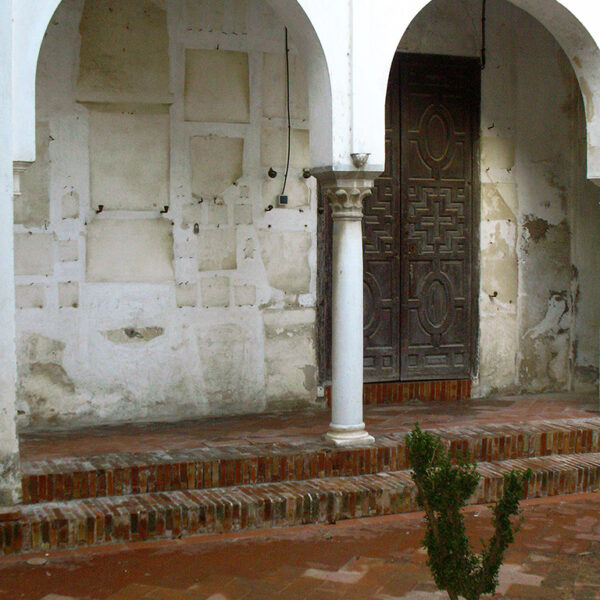
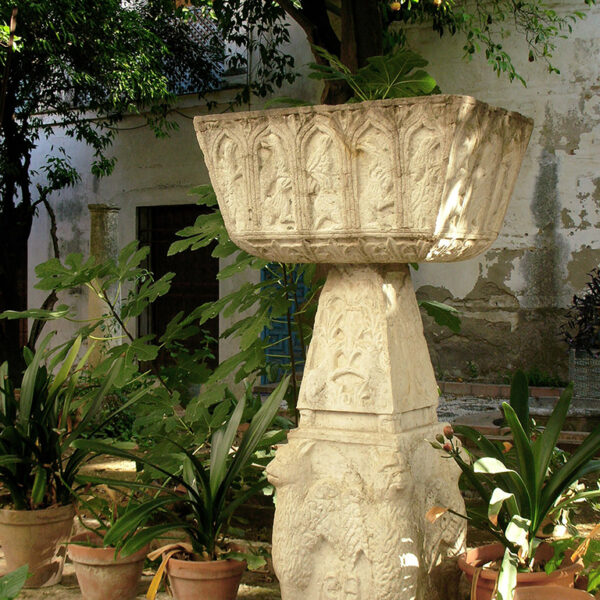
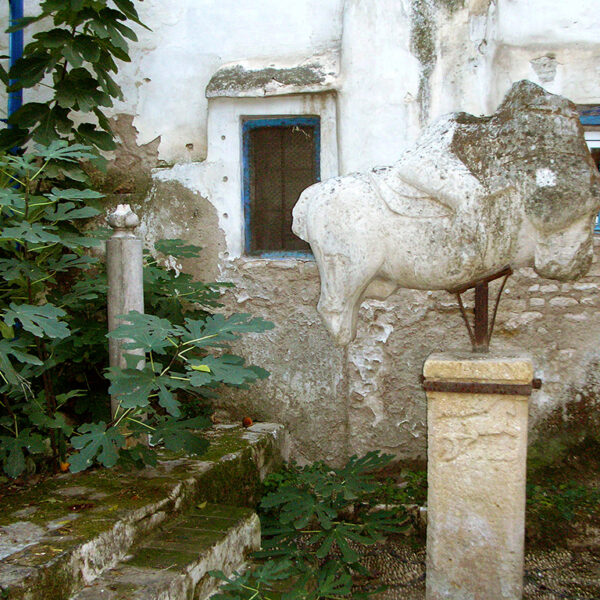
Things are as they are
Óscar Fernández López , 2009
Hallowed, silent, the museum allows scarcely a breath of life within its precincts. However hard the staff may strive for it to be otherwise, the museum remains, by definition, a place of passage, designed for things to be felt at a distance. It is there, more than anywhere, that Pessoa´s glass sheet is placed between us and life. Life
can be seen and understood through the glass – which is physical but above all metaphorical – but it cannot be touched.
For me, therefore, the most striking feature of Rubens Mano´s project for Córdoba is the emphasis on lived experience. Although the project comprises various stages of development, and although it involves multiple points of interest and relevant aspects,
it nonetheless arises from a single starting-point: the artist´s encounter with the routine workings of the venue.
It is initially an aesthetic/intellectual encounter, involving a negotiation between the artist´s intentions and those of others. Yet as the days go by, it gradually takes on
a much more powerful tone, becoming a temporary occupation of the space by the artist, whose stay is translated in terms of personal experience. The key, therefore,
is the process by which his presence in situ becomes an unwaiverable condition, and indeed constitutes the very substance of the project. The mausoleum thus springs
to life, not through the artifacts/ residue deposited there by each artist, but rather through the synergies generated by an artistic act, albeit not necessarily bound to
a physical support.
This facet of the project is crucial, too, in as much as it rejects the logic of the framework. That rejection does not persist as the content of the exhibition stricto sensu; rather it is, as it were, internalized within the institution, giving rise to a kind of secret noise that usually remains hidden from the public. Whilst it does not contravene the decisions regarding the presentation of the project, the invisible presence of Mano´s work can be discerned in the Museo de Bellas Artes and the Museo Julio Romero de Torres.
Even acting as just the tip of the iceberg, the visible presence of the project also works as an independent discourse. This is important, in that the exhibition in itself neither synthesizes nor filters the results of the intervention as a whole, but can rather be seen as a set of specific propositions. These scattered installations, in contrast to the undefined nature of the artist´s lived experience hinted at earlier, address very particular aspects of the space. And they do so in an idiom readily accessible to the visitor. This suggests that the project has another register; one
more concerned with a commitment to the viewer. It also points to a more formal, though equally important, aspect of the work itself.
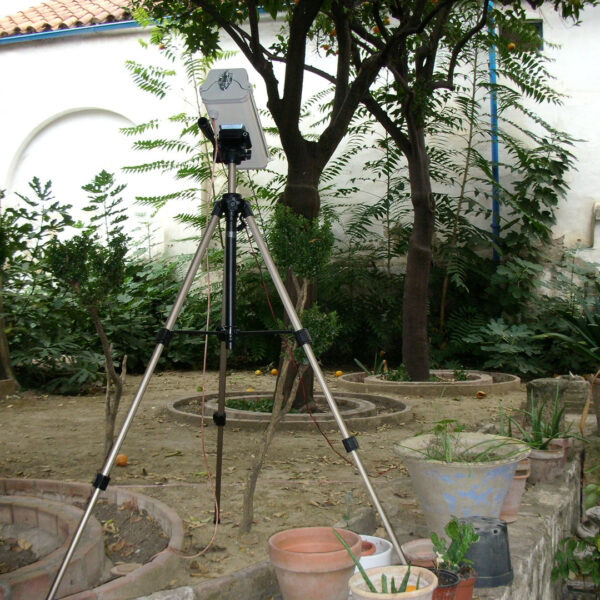
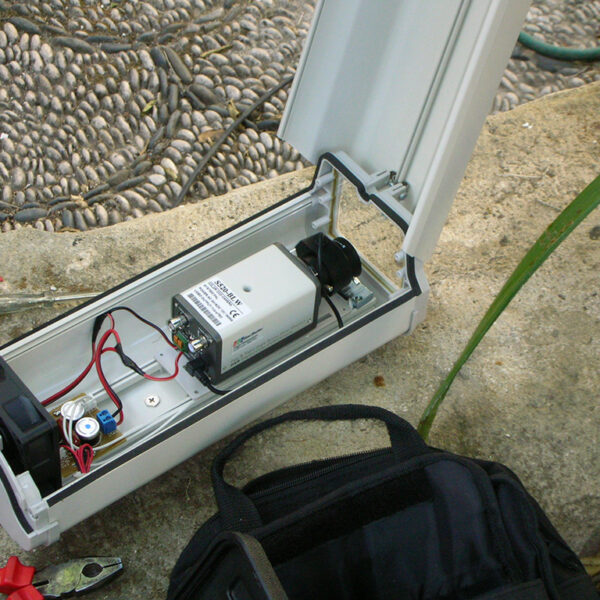
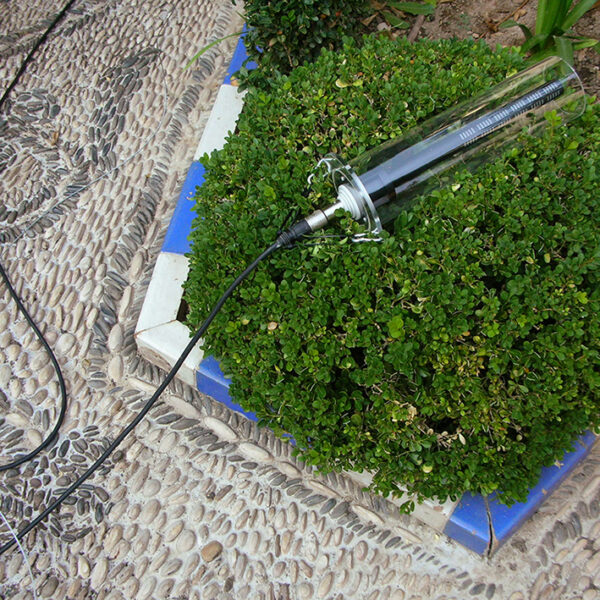
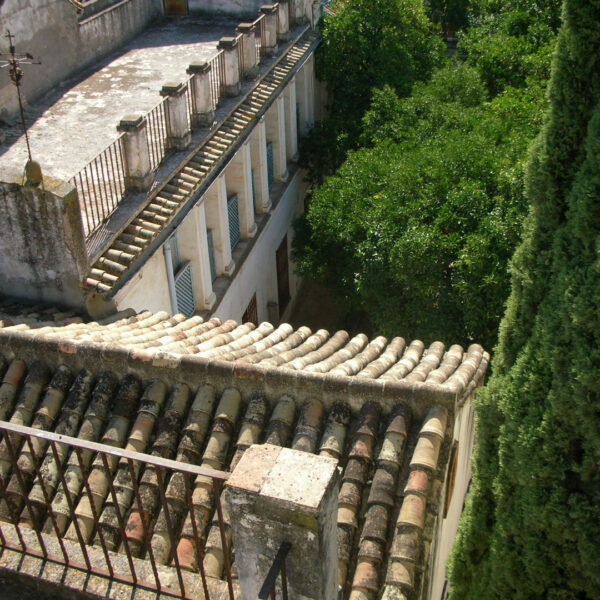
This second dimension of the project designed by the artist for the courtyard and premises of the Museo de Bellas Artes and Museo Julio Romero de Torres, is arranged around three actions: Mano records the sound of water from the fountain in the main courtyard; at the same time, he films the second courtyard, a private area at the back of the Museo de Bellas Artes, closed to Museum visitors, where Romero de Torres painted at the start of his career; finally, to close the circle, he relays that sound and those images of the painter´s secret courtyard into the exhibition rooms of the two Museums. As in previous projects, Rubens Mano adopts an artistic approach which turns the host institution into his working material. In doing so, he succeeds in highlighting – through his intervention – elements which would otherwise have remained invisible, as well as suggesting new strategies for using and explaining
the venue itself.
[English translation by Eurolingua]
[originally published in the catalog of the exhibition The Sky Within My House. Córdoba, 2009]
![vista geral do segundo pátio [câmeras] 1
fotografia: Tete Álvarez/J.C. Nievas](https://incessante.org/wp-content/uploads/2012/06/las_cosas_scs_2009_segundo_patio_cameras_1_foto_TA-JCN-600x600.jpg)
![vista geral do segundo pátio [câmeras] 2
fotografia: Tete Álvarez/J.C. Nievas](https://incessante.org/wp-content/uploads/2012/06/las_cosas_scs_2009_segundo_patio_cameras_2_foto_TA-JCN-600x600.jpg)
![vista geral do segundo pátio [câmeras] 3
fotografia: Tete Álvarez/J.C. Nievas](https://incessante.org/wp-content/uploads/2012/06/las_cosas_scs_2009_segundo_patio_cameras_3_foto_TA-JCN-600x600.jpg)